






Quick Summary
- For Lincoln, an appliance move begins at the doorway rather than the appliance. A refrigerator may fit through one opening but not clear the turn into a hallway, while a washer can become unstable on a stair landing.
- Appliances are dense and their weight does not always sit in the center. The crew uses the right dolly, straps, and protective materials so the unit and the home’s floors, walls, and door frames stay protected.
- A refrigerator, laundry pair, or range can affect how a family uses both homes. Lincoln schedules heavy appliance loading around clear access paths and plans unloading so the unit goes directly toward its intended room rather than being moved twice.
- Confirm dimensions, utility readiness, and placement before the truck reaches the destination. If the room is not ready, short-term storage may be safer than leaving an appliance in a garage or walkway.
Large Appliance Moving NJ: Lincoln’s Room-to-Room Guide is easier when the work is planned before moving day or before a maintenance call becomes urgent. This guide takes a route-mapping and move-day sequencing approach, with practical steps a New Jersey property owner or household can use to make sound decisions.
Large Appliance Moving Starts With the Route
For Lincoln, an appliance move begins at the doorway rather than the appliance. A refrigerator may fit through one opening but not clear the turn into a hallway, while a washer can become unstable on a stair landing.
We map the route, note thresholds and stairs, and plan where an appliance can be safely staged if the path needs to be cleared first.
Control Weight, Balance, and Surface Protection
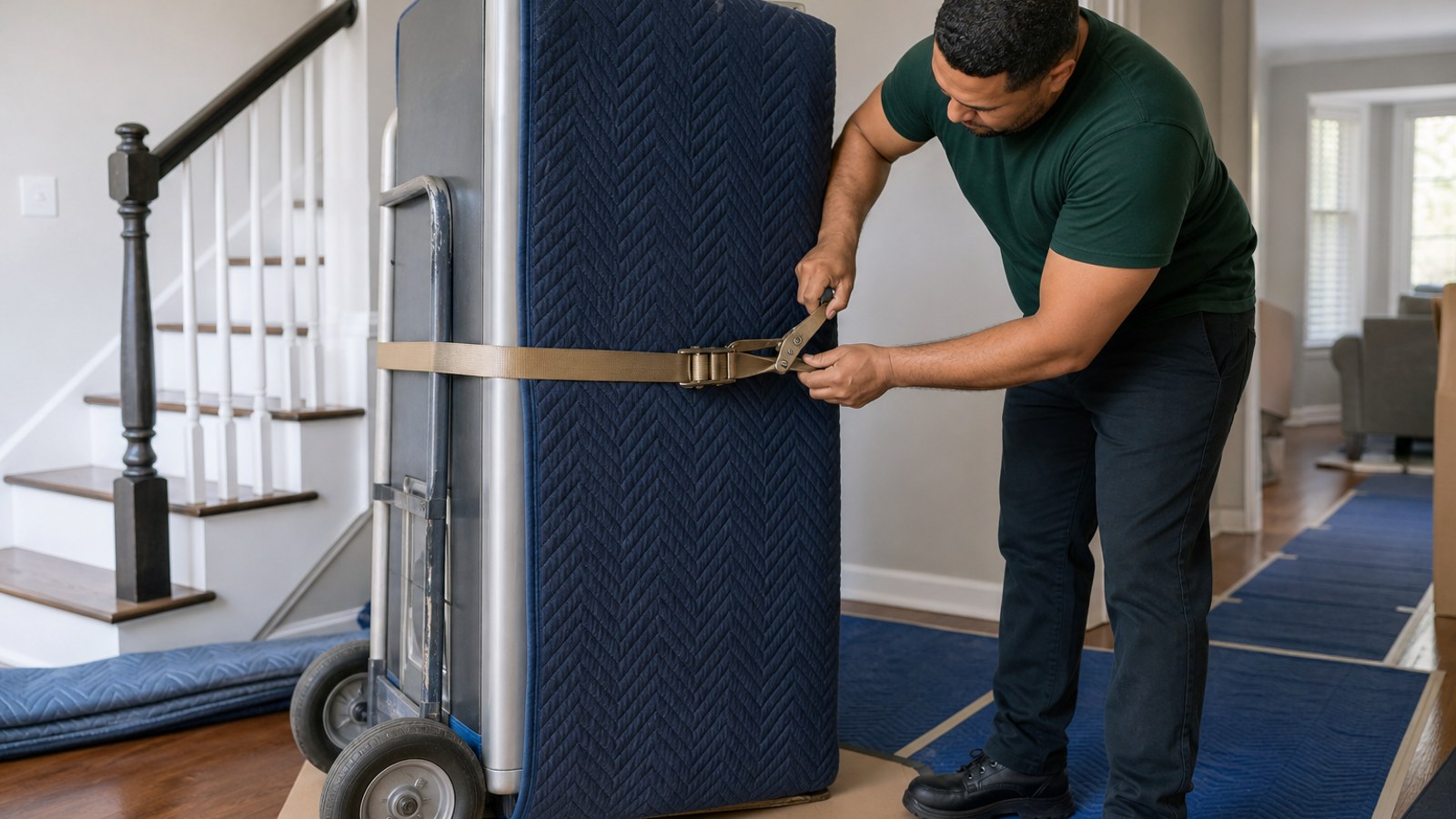
Appliances are dense and their weight does not always sit in the center. The crew uses the right dolly, straps, and protective materials so the unit and the home’s floors, walls, and door frames stay protected.
Keeping appliances upright when required, securing loose components, and avoiding rushed turns are small steps that prevent a difficult move from becoming a repair problem.
Use a Sequence That Keeps the Home Functional
A refrigerator, laundry pair, or range can affect how a family uses both homes. Lincoln schedules heavy appliance loading around clear access paths and plans unloading so the unit goes directly toward its intended room rather than being moved twice.
This sequence is especially useful when other furniture, flooring work, or contractors are arriving at the new home on the same day.
Stage the New Home Before Arrival
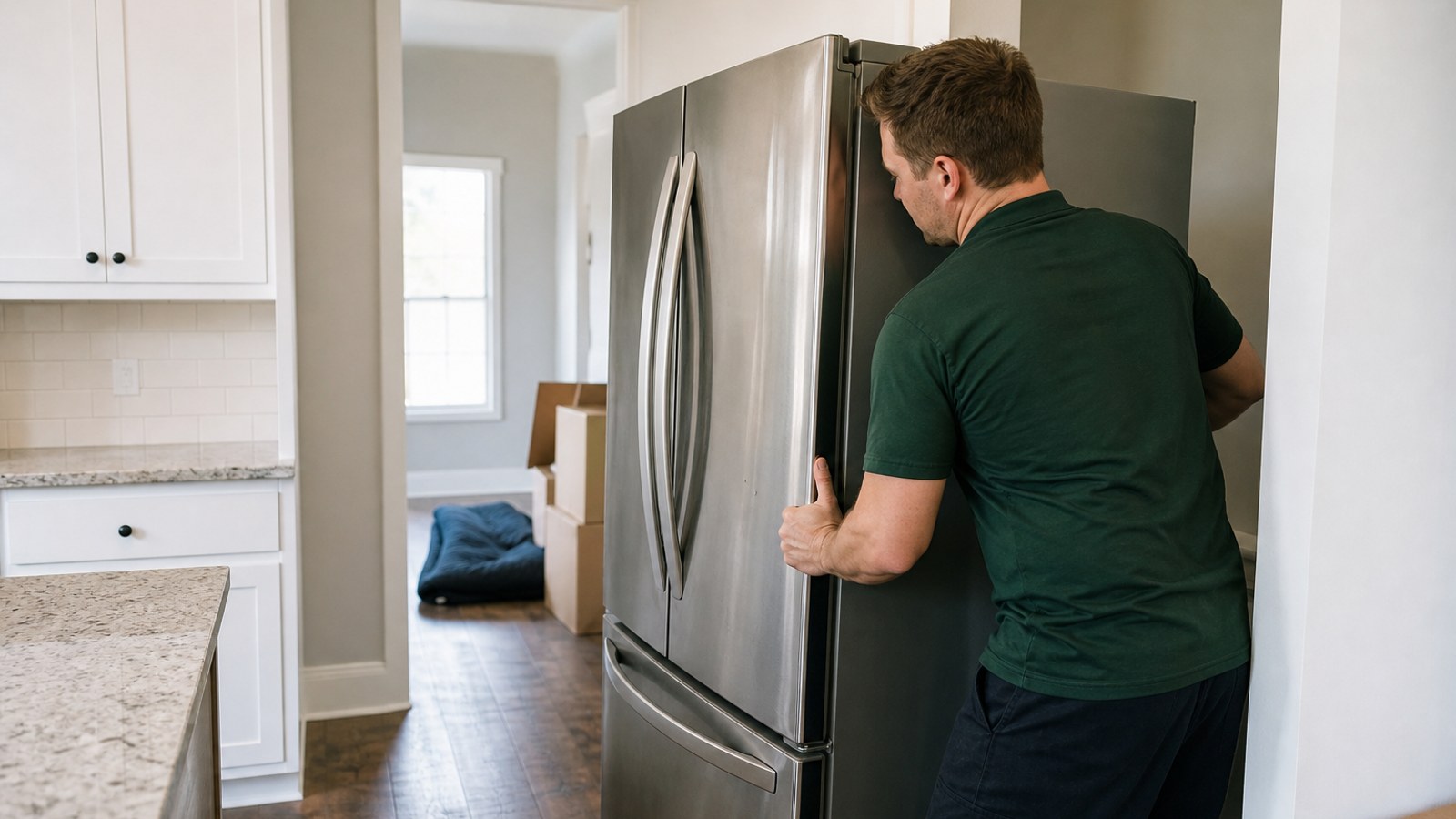
Confirm dimensions, utility readiness, and placement before the truck reaches the destination. If the room is not ready, short-term storage may be safer than leaving an appliance in a garage or walkway.
Visit Lincoln Moving & Storage’s residential moving page to plan a household move with appliance placement built into the schedule.
Frequently Asked Questions
What should I plan first for large appliance moving?
For Lincoln, an appliance move begins at the doorway rather than the appliance. A refrigerator may fit through one opening but not clear the turn into a hallway, while a washer can become unstable on a stair landing.
Why does large appliance moving need a dedicated plan?
Appliances are dense and their weight does not always sit in the center. The crew uses the right dolly, straps, and protective materials so the unit and the home’s floors, walls, and door frames stay protected.
How can I avoid repeat problems with large appliance moving?
A refrigerator, laundry pair, or range can affect how a family uses both homes. Lincoln schedules heavy appliance loading around clear access paths and plans unloading so the unit goes directly toward its intended room rather than being moved twice.
Ready to plan? Contact Lincoln Moving & Storage through our residential moving services page.