





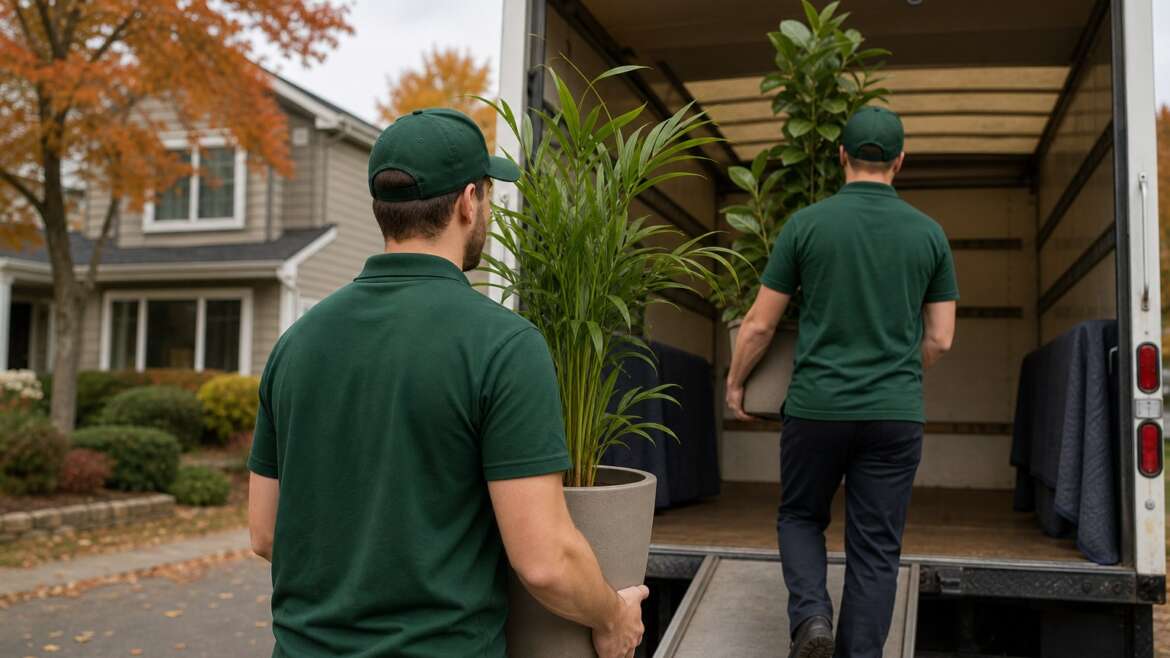
Quick Summary: Houseplant moving NJ owners get wrong most often isn’t about the box or the truck — it’s about what actually happens to a plant’s root system during transit. This guide starts with root shock and why it’s the real cause of post-move plant decline, covers watering and feeding on a realistic move timeline, the packing materials that protect both roots and leaves, which plants shouldn’t ride in a closed truck at all, why plants should be the first thing off the truck, and how New Jersey’s frost line should factor into scheduling.
Table of Contents
- How Plants Actually Get Stressed During a Move (Root Shock Explained)
- Watering and Feeding on a Move Timeline
- Packing Materials That Protect Roots and Leaves
- Which Plants Should Never Ride in a Closed Truck
- Unpacking Priority: Why Plants Come Off the Truck First
- Houseplant Moving Timing and New Jersey’s Frost Line
- FAQs
How Plants Actually Get Stressed During a Move (Root Shock Explained)
Most of the visible damage from a plant move — yellowing leaves, sudden drop, a wilted look days after everything seemed fine — traces back to root shock, not anything that happened to the leaves themselves. Roots are sensitive to sudden changes in temperature, light, and handling, and a move stacks several of those changes on top of each other in a single day: the pot gets jostled, the soil gets compressed or shifted, and the plant goes from a stable indoor environment to a truck and back again. The leaves often look fine on move day; the root stress shows up gradually over the following week, which is why plants deserve more caution during the move itself, not just careful unpacking afterward.
Watering and Feeding on a Move Timeline
Lincoln Moving & Storage recommends a specific watering rhythm around move day, not the plant’s normal schedule:
- Two to three days before the move — a light watering, not a deep soak, so soil is moist but not heavy or waterlogged for transit
- Skip fertilizing for at least two weeks before and after — feeding pushes new growth right when the plant needs to be conserving energy for root recovery, not producing new leaves
- Hold off on watering again until settled in — check soil moisture at the new home rather than watering on a fixed schedule, since transit itself changes how quickly soil dries out
Packing Materials That Protect Roots and Leaves
The right materials matter more than the amount of padding used:
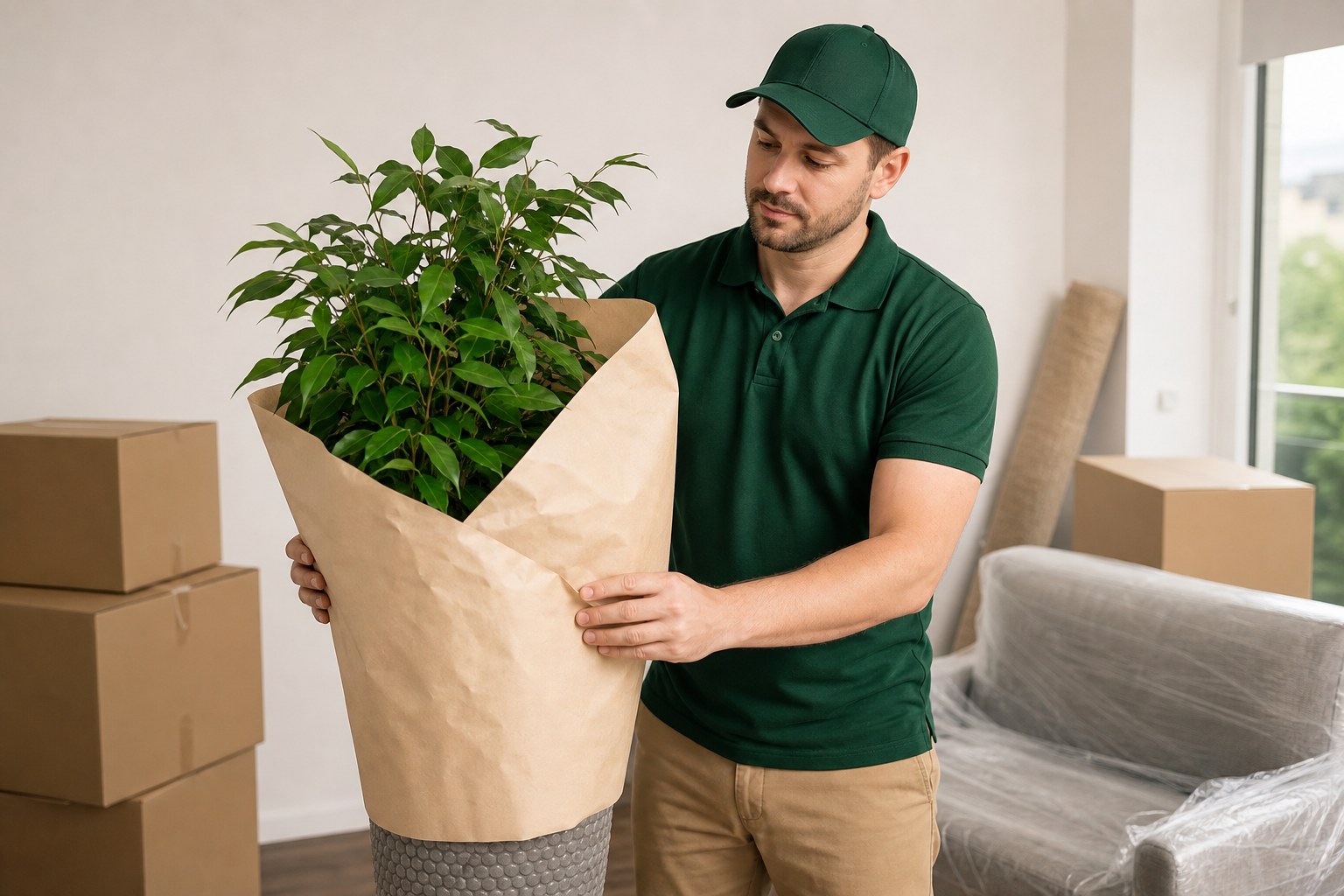
- Breathable paper, never plastic, around foliage — plastic traps humidity and heat against leaves, which accelerates wilting rather than preventing it
- A snug but not tight box fit around the pot itself, so it can’t tip or slide, with the plant’s own soil weight helping stabilize it rather than excess packing material compressing the root ball
- Ventilated box flaps, left slightly open or with air holes, rather than fully sealed
Which Plants Should Never Ride in a Closed Truck
Some plants are simply too sensitive to truck conditions to travel that way, regardless of packing quality. Tropical plants that require consistent warmth and humidity, and anything already stressed or recently repotted, are better moved in a climate-controlled personal vehicle even on a short trip. For anything riding in the truck, keeping total truck time under a few hours — not overnight, and not sitting loaded in direct sun before departure — is the practical limit most plants can tolerate without lasting damage.
Unpacking Priority: Why Plants Come Off the Truck First
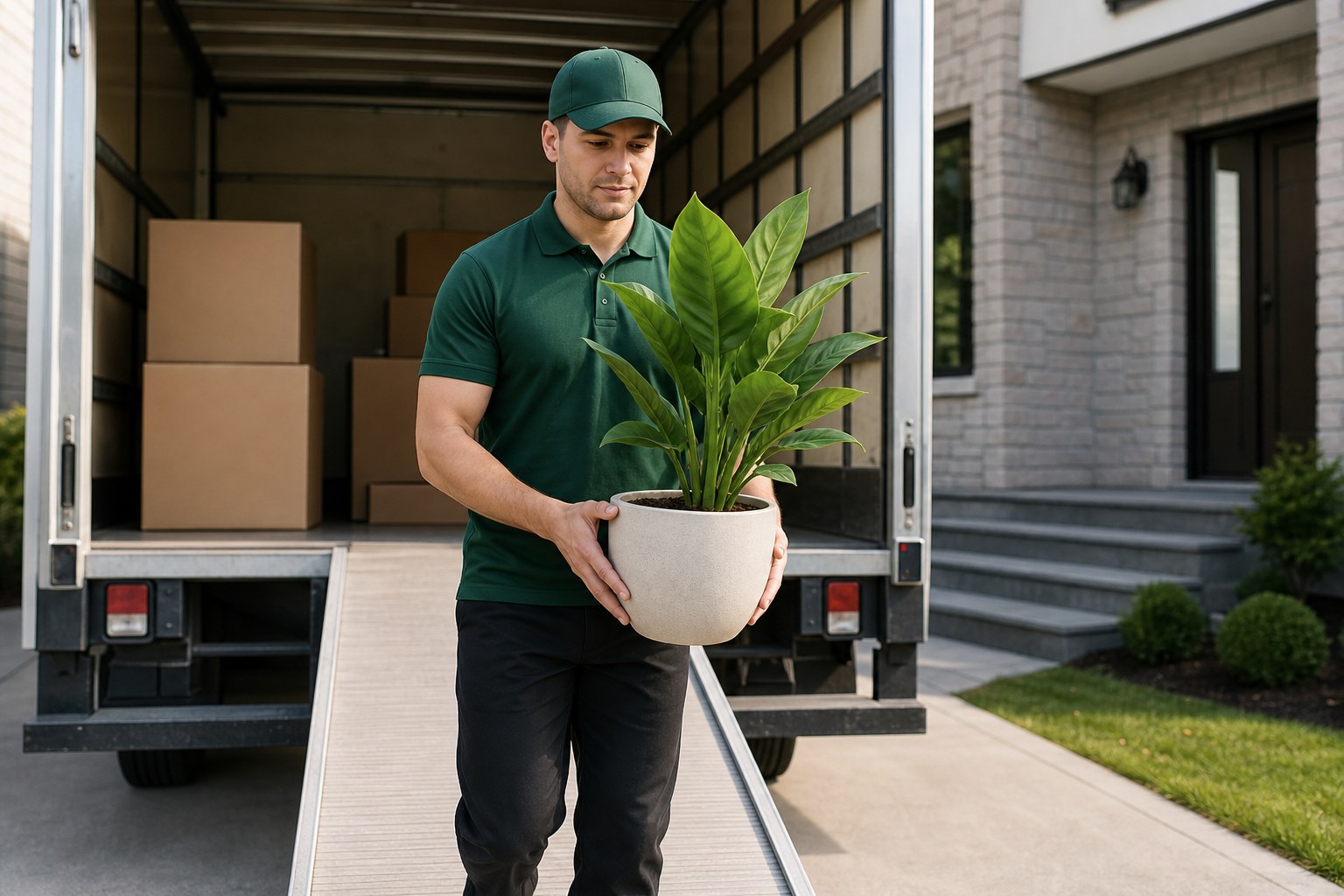
Lincoln’s crews treat plants as a first-off priority at the destination, ahead of furniture and general boxes. A plant that’s spent hours in a dark, sealed truck needs light and airflow again as soon as possible — every additional hour boxed after arrival adds to the same stress that started during transit. Getting pots unpacked and placed near appropriate light within the first hour at the new home meaningfully improves recovery time compared to leaving them boxed until the rest of the move is sorted out.
Houseplant Moving Timing and New Jersey’s Frost Line
New Jersey’s first frost typically arrives between mid-October and early November depending on the region, and any outdoor or patio plants need to be relocated before that date, not after. Scheduling a move in September or early October keeps outdoor plants out of frost risk entirely and gives indoor plants a milder transition, since extreme heat inside a parked truck is also less likely earlier in the fall than during peak summer.
FAQs
Is it normal for a plant to drop leaves after a move?
Yes, some leaf drop is a common and usually temporary response to root shock. As long as the plant gets appropriate light and isn’t overwatered while recovering, most houseplants bounce back within a few weeks.
Can Lincoln Moving transport a large plant collection?
Yes, plant collections of any size are handled as part of a full household move, with loading position and truck time planned specifically around what the plants can tolerate.
Should I repot my plants right before or after moving?
Neither, if avoidable. Repotting is its own stressor on a root system, so it’s best done a few weeks before or after the move, not stacked on top of moving stress.
Planning a move with a plant collection to protect? Explore Lincoln Moving & Storage’s residential moving services or contact the team to plan your timeline. For more moving-day planning guidance, see our 8-week moving timeline and our first-night moving box guide.