




Quick Summary
- The Timed Sequence Behind Successful Aquarium Moving
- Saving Tank Water and Bagging Fish the Right Way
- Transporting Gravel, Decorations, and the Empty Tank
- Why Filter Media Timing Matters Most
Aquarium moving mistakes almost always come down to timing, not effort. Homeowners plan carefully for the tank and the furniture but underestimate how quickly fish stress out once they are removed from stable water, or how fast beneficial filter bacteria start dying once the media dries out. Lincoln Moving & Storage treats aquarium moving as a timed sequence rather than a single packing task: water, fish, filter media, and hardware each have their own clock running from the moment the move starts. This guide breaks down that sequence step by step, from the water you save the day before to the exact order everything goes back together at your new New Jersey address, so nothing in the tank suffers along the way.
The Timed Sequence Behind Successful Aquarium Moving
Think of aquarium moving as four separate clocks running at once: fish out of stable water, filter media out of the tank, gravel and decorations in transit, and the empty tank itself. Each clock has a different tolerance, fish and bacteria measured in hours, gravel and decorations measured in days, and the sequence of the move has to respect the shortest clock first.
Saving Tank Water and Bagging Fish the Right Way
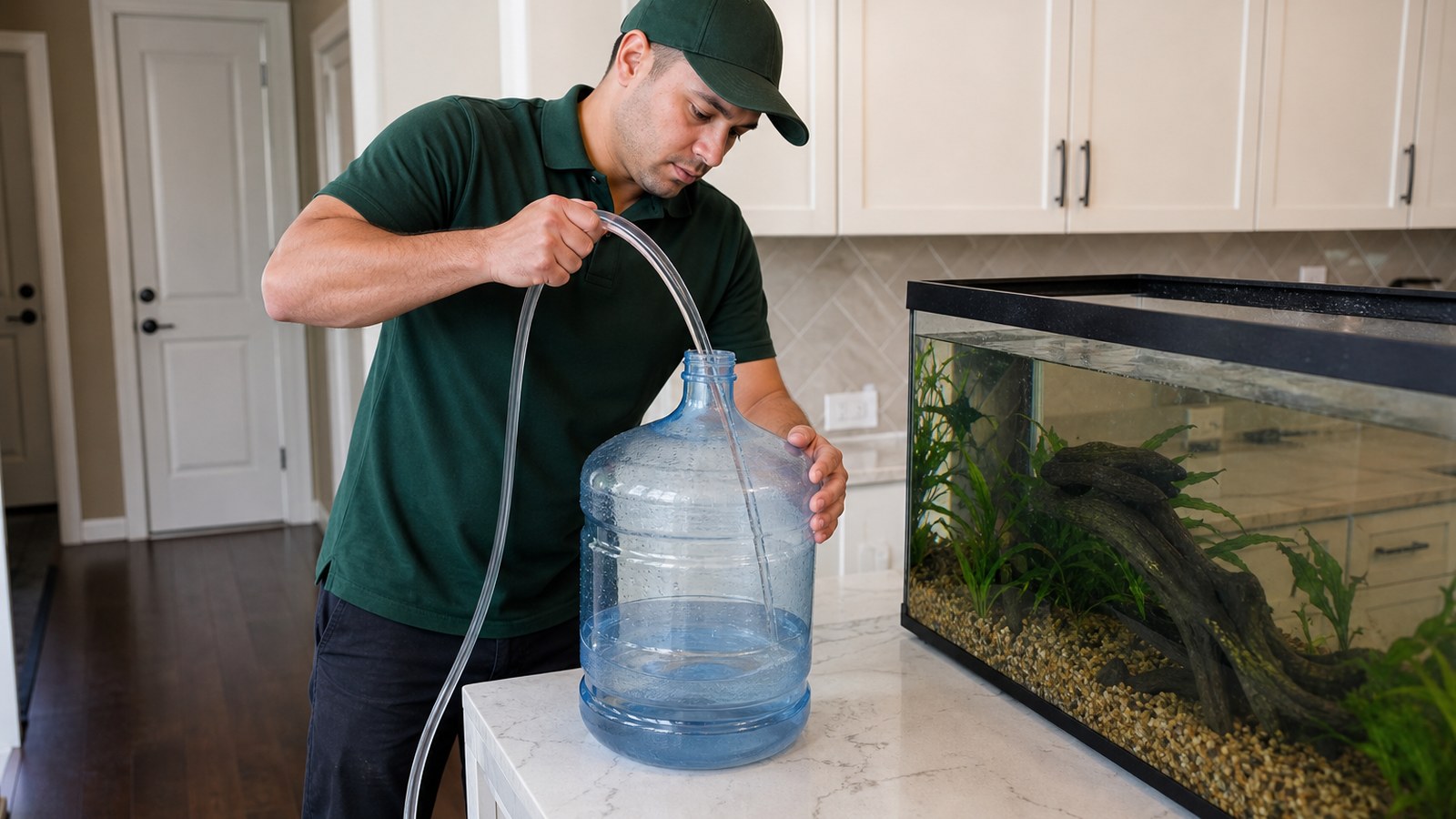
The day before the move, we save at least half the existing tank water in clean sealed containers rather than dumping it, since reusing established water at the new home reduces shock for both fish and bacteria. Fish then get bagged in a portion of that same water with extra airspace, sized to the trip length so oxygen does not run out before arrival. Learn more about short-term storage during a move.
Transporting Gravel, Decorations, and the Empty Tank
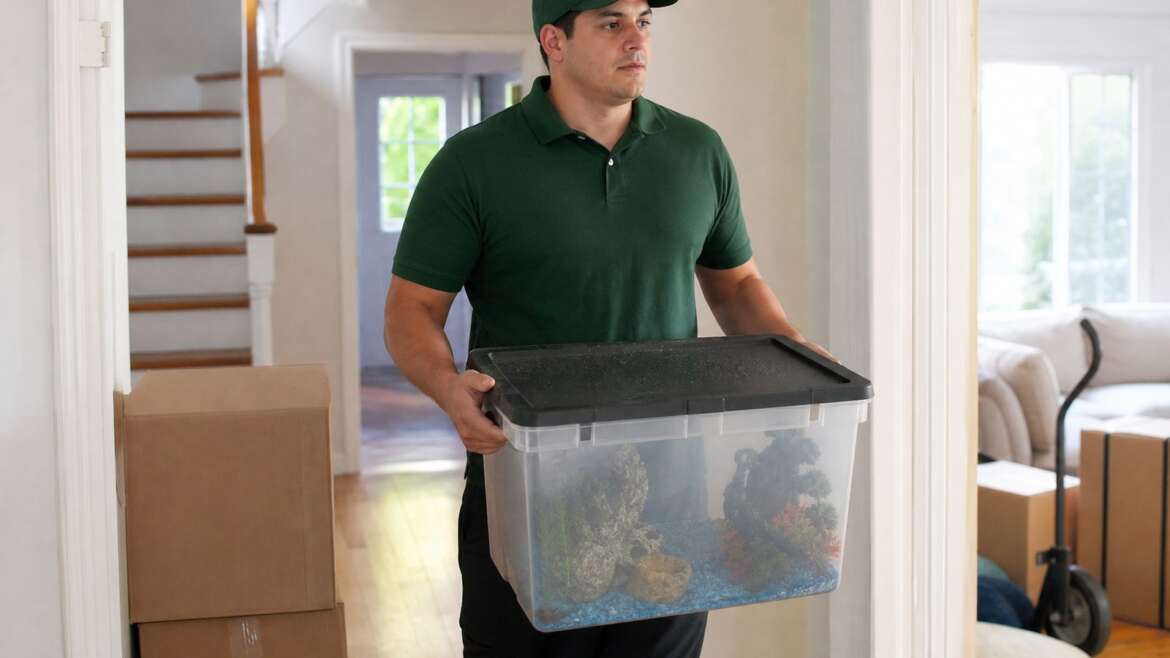
Gravel and decorations get drained of excess water and packed into sealed totes or heavy-duty bags, kept separate from household boxes and always upright, never stacked under other items where weight could crack a decoration or crush plastic plants. See our residential moving services for related guidance.
Why Filter Media Timing Matters Most
Filter media is the piece most people get wrong: letting it sit dry in the car for even half a day can wipe out the bacteria colony that keeps ammonia in check. We keep media wet, sealed, and moving on the same timeline as the fish, not the general household boxes.
Setting the Tank Back Up at Your New Home
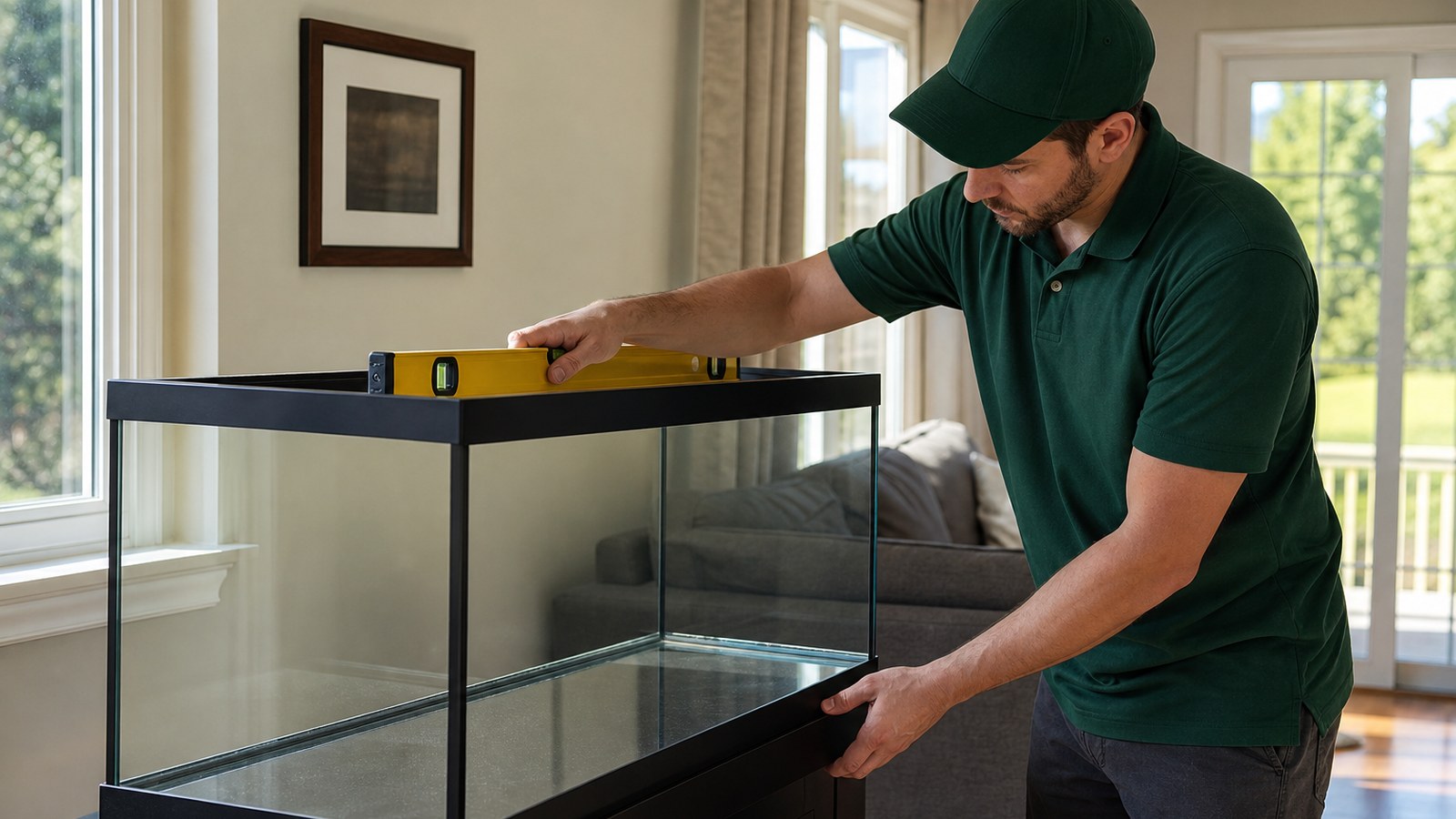
At the new home, the tank gets leveled and filled first, using the saved water plus fresh water to top off, then the filter media goes back in while still damp so the bacteria colony has the best chance of surviving intact. Fish go in last, once temperature has had time to stabilize, and get monitored for the first few hours after the move.
What Lincoln Moving & Storage Handles on Moving Day
Lincoln Moving & Storage treats the aquarium as its own timed job within the larger move: we confirm water volume and travel time in advance, bring insulated containers sized to the trip, and make sure the tank is the first thing handled and the first thing set back up so no part of the ecosystem sits waiting longer than it should.
Frequently Asked Questions
How much old tank water should I save for aquarium moving?
Save at least 50% of the existing tank water in clean, sealed containers; reusing established water when you refill at the new home reduces the shock to fish and beneficial bacteria.
Can gravel and decorations go in moving boxes?
Yes, once drained of excess water gravel and decorations can travel in sealed plastic totes or heavy-duty bags, kept upright and separated from household boxes to avoid cross-contamination.
What is the biggest risk during aquarium moving day itself?
Temperature swings inside a moving vehicle are the biggest risk; insulated containers and avoiding long unheated or un-air-conditioned stops protect fish far more than the drive distance itself.
Ready to get started? Contact Lincoln Moving & Storage today, or read more about specialty item moving.